Skip to content
H3 Max
EvsC

Elicit vs Consensus: Which Is Better?

Both search academic papers with AI. Elicit extracts data across many papers for reviews; Consensus gives a quick evidence-based answer to a yes/no question.

Elicit vs Consensus at a glance

ElicitConsensus
PricingFreemiumFreemium
PlatformsWebWeb
Made by——
CategoryResearch & PapersResearch & Papers
Best for
  • Literature reviews
  • Evidence synthesis
  • Academic research
  • Health and science questions
  • Student research
  • Evidence checks
Last reviewed2026-10-232026-10-23

What is Elicit?

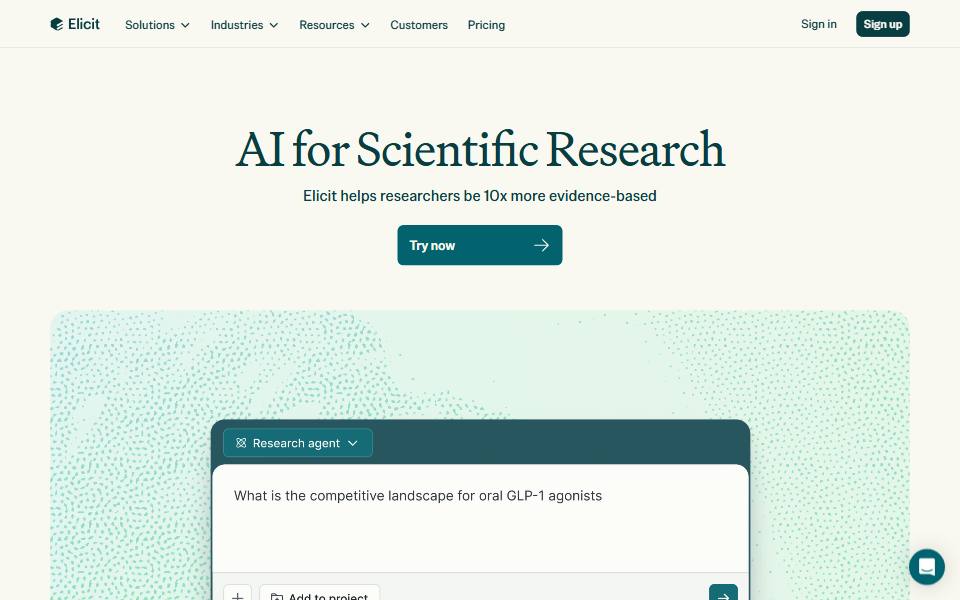
Elicit searches a large database of academic papers and extracts the details you care about — methods, sample sizes, outcomes — into a table, so you can compare studies quickly.

It also writes research reports and supports systematic reviews with screening and extraction steps.

Key features

  • Semantic paper search
  • Data extraction into tables
  • Research reports
  • Systematic review workflow
  • Upload your own PDFs

What is Consensus?

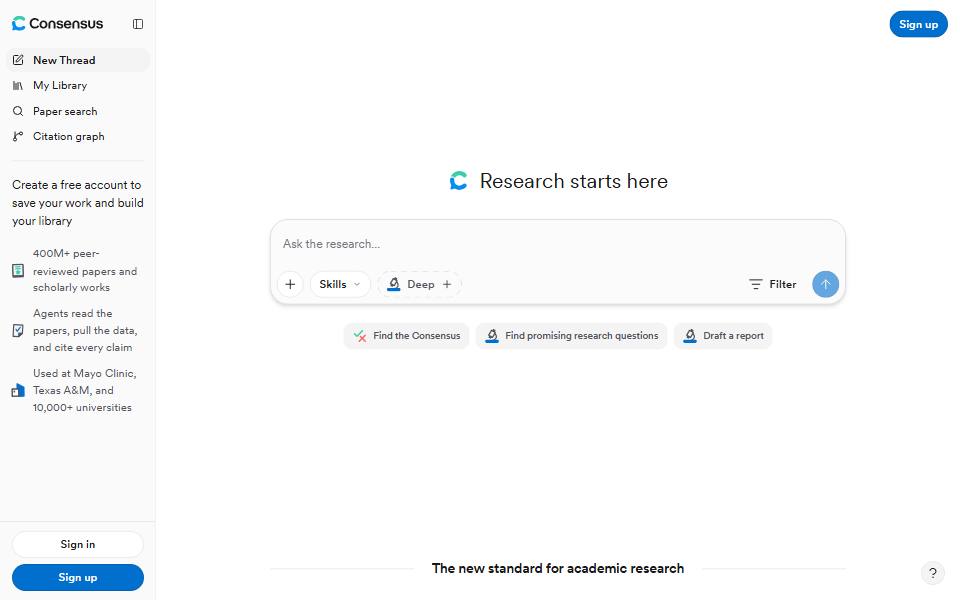
Consensus answers questions by searching scientific literature and summarizing what studies found, with a “consensus meter” showing how much research agrees on yes/no questions.

Every answer links to the papers, and filters let you focus on study type, sample size or recent work.

Key features

  • Answers from academic papers
  • Consensus meter
  • Study filters
  • Citations for every claim

Key differences between Elicit and Consensus

Our take: Elicit or Consensus?

Elicit is built for literature reviews: it finds relevant papers, summarises them and extracts data such as sample sizes and outcomes into a table you can export. Consensus answers a research question directly, showing how many studies support or contradict a claim with links to each paper. Researchers doing systematic reviews prefer Elicit; students and professionals checking what the evidence says prefer Consensus.

Elicit vs Consensus pricing

Elicit · Freemium

Elicit has a free plan; paid plans unlock more usage and features.

Consensus · Freemium

Consensus has a free plan; paid plans unlock more usage and features.

Plans and prices change often; check both official pricing pages before you pay.

Should you choose Elicit or Consensus?

Choose Elicit for:

  • Literature reviews
  • Evidence synthesis
  • Academic research
See Elicit alternatives

Choose Consensus for:

  • Health and science questions
  • Student research
  • Evidence checks
See Consensus alternatives

Elicit vs Consensus: FAQ

Is Elicit free?
Elicit has a free plan; paid plans unlock more usage and features.
Is Consensus free?
Consensus has a free plan; paid plans unlock more usage and features.
Do Elicit and Consensus have an API?
Neither lists a public API; both are used through their own apps.
Do Elicit and Consensus have a mobile app?
Neither has a mobile app. Elicit runs on Web; Consensus on Web.
Is Elicit or Consensus better for literature reviews?
Elicit lists it among its main uses (literature reviews, evidence synthesis, academic research). Consensus is aimed more at health and science questions, student research, evidence checks.
Is Elicit or Consensus better for health and science questions?
Consensus lists it among its main uses (health and science questions, student research, evidence checks). Elicit is aimed more at literature reviews, evidence synthesis, academic research.
What platforms do Elicit and Consensus run on?
Elicit runs on Web. Consensus runs on Web.
What are good alternatives to Elicit and Consensus?
Other Research & Papers worth a look: NotebookLM, AI Homed, Git Homed, Jev001, SciSpace.
How did we compare Elicit and Consensus?
We compared what each tool does, how it charges, the platforms it runs on and the jobs it is built for, using each product's official site and documentation. Both listings were last reviewed on 2026-10-23; plans and features change, so check the official sites before you subscribe.

Written by the H3 Max team from public information. Prices and features change — check the official site before you buy.


More Research & Papers